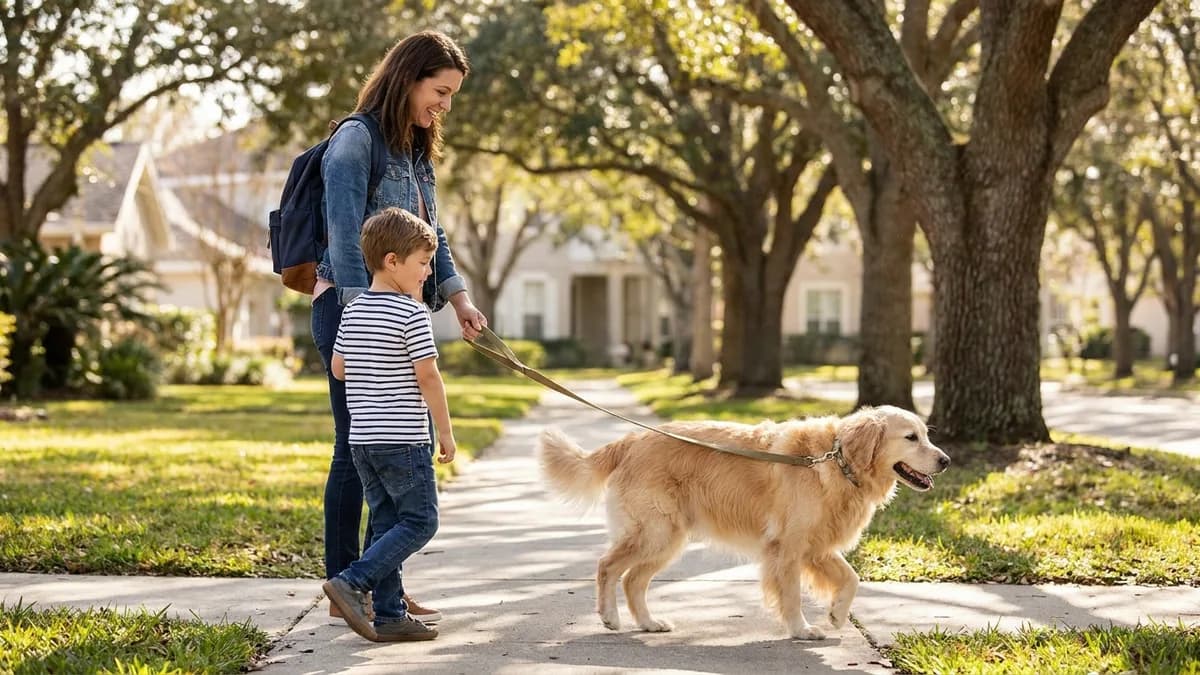
The dog's owner is usually responsible for a bite, and in most cases the owner's homeowners or renters insurance pays the claim. Whether you must prove the owner knew the dog was dangerous depends on your state. A successful claim can cover medical bills, lost pay and pain and suffering, up to the policy limit and sometimes beyond it.
This article is general legal information, not legal advice. Laws vary by state and situation, and reading it does not create an attorney-client relationship. For advice about your case, talk to a licensed attorney.
Key takeaways
- Homeowners insurers paid $1.862 billion on 28,450 dog bite and other dog-related injury claims in 2025, an average of $65,450 per claim (Triple-I and State Farm).
- Homeowners and renters policies typically cover dog bite liability up to the liability limit, usually $100,000 to $300,000. The owner owes anything above it.
- California, Florida and Ohio hold owners liable even if the dog had never shown aggression; Texas generally requires proof the owner knew or should have known it was dangerous, or was careless.
- New York's highest court ruled in April 2025 that people hurt by a dog can sue the owner for negligence, alongside the older knowledge-based claim.
- Wash a bite with soap and water for 15 minutes, ask for proof of the dog's rabies vaccination, and expect the dog to be watched for 10 days.
What to do in the first hour, the first day and the first week
Much of the evidence in a dog bite claim is easiest to collect before you leave the spot where it happened.
The first hour
- Get clear of the dog, then wash the wound with soap and water for 15 minutes, right away. That's the CDC's advice for any animal bite or scratch.
- Ask the owner for their name, address and phone number, and for proof that the dog is up to date on its rabies shots, which the CDC says helps decide whether you need rabies treatment.
- Get medical care, even for a bite that looks small. Your health department or doctor decides whether you need rabies vaccine, and the visit starts the medical record your claim will be built on.
- If you can do it safely, photograph the wound, the place and the dog, and collect names and phone numbers from anyone who saw it.
The first day
- Report the bite to your local animal control agency or health department. A report puts the date, place and dog on record, and the CDC advises calling the health department right away about any possible rabies exposure.
- Write down what happened while it's fresh: the time, whether the dog was leashed, where you were standing, what you were doing and what the owner said. Those details answer the questions the statutes ask, such as whether you were lawfully on the property (California and Florida) or teasing the dog (Ohio).
- Ask the owner which company insures their home, or their apartment if they rent, and for the policy number.
The first week
- Under CDC guidance for veterinarians, a healthy dog that bites a person should be confined and watched for 10 days, even if it's vaccinated, and any sign of illness in that window gets reported to the health department at once. Follow your doctor's rabies instructions in the meantime.
- Start a folder for bills, pharmacy receipts and proof of missed work, and photograph the wound every few days as it heals.
- Expect a call from the owner's insurer. Ask which coverages apply, and take your time before agreeing to a recorded statement.
- Note your deadline. Each state sets its own time limit to file an injury lawsuit, and our guide to personal injury deadlines by state explains how the clock works, including for children.
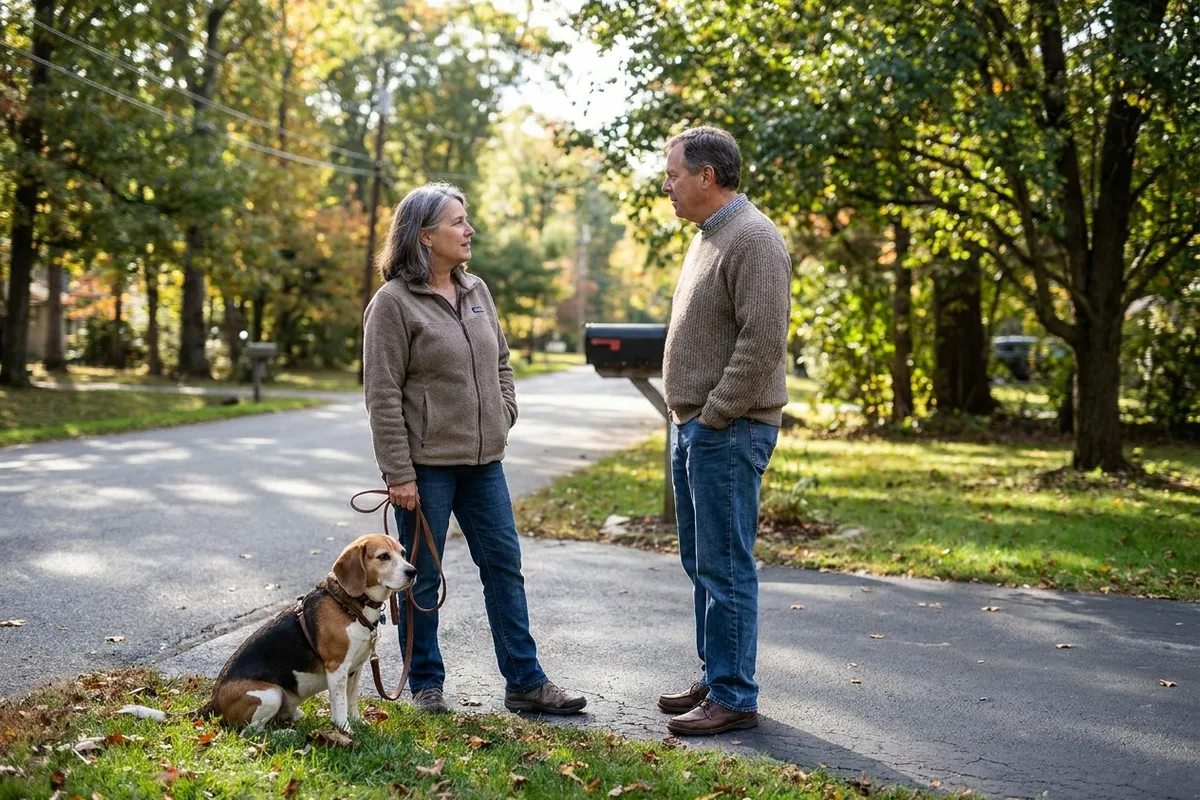
Most states follow one of three patterns. Under a dog-bite statute (strict liability), the owner is liable for a bite whatever the dog's history, with exceptions such as provocation or trespassing. The "one-bite" rule makes you show the owner knew or should have known the dog was dangerous, or was careless with it. Dangerous-dog laws add stricter liability once a dog meets a legal definition of dangerous. A Triple-I analysis of state laws compiled as of March 2021 counted 29 states with the first kind of rule.
| State | Type of rule | Statute or case | What it means for a claim |
|---|---|---|---|
| California | Strict liability for bites | Cal. Civ. Code §3342 | The owner is liable for a bite in a public place or while you're lawfully on private property, including the owner's, whatever the dog's past. Claims against agencies using police or military dogs are limited. |
| Florida | Strict liability, reduced by your share of fault | Fla. Stat. §767.04 | Your damages drop by your percentage of fault. A prominent, easily readable sign with the words "Bad Dog" bars the claim, unless the victim is under 6 or the owner was negligent. |
| Ohio | Strict liability for any injury the dog causes | Ohio Rev. Code §955.28(B) | Covers injuries other than bites and reaches a keeper or harborer as well as the owner. No liability to someone trespassing or committing another crime, or teasing, tormenting or abusing the dog on the owner's property. |
| Texas | One-bite rule, plus negligence | Marshall v. Ranne, 511 S.W.2d 255 (Tex. 1974) | The owner is strictly liable if they knew or should have known the animal had dangerous tendencies unusual for its kind. If not, you can still recover by proving the owner handled it carelessly. |
| New York | Knowledge rule, negligence, and a dangerous-dog statute | Flanders v Goodfellow, 44 N.Y.3d 57 (2025); Agric. & Mkts. Law §123(10) | Strict liability if the owner knew or should have known of vicious tendencies; evidence the dog growled, snapped or bared its teeth may be enough to get to a jury, even without an earlier bite. Negligence claims are allowed since April 2025. The owner of a "dangerous dog" is strictly liable for medical costs. |
California's statute covers a person "bitten by the dog," so an injury from being knocked down without a bite falls outside its wording, while Ohio's reaches "any injury" a dog causes. And in both California and Florida, being "lawfully" on private property includes being there by invitation, express or implied, or to carry out a legal duty such as delivering mail. Other states have their own versions of these rules, so check the law where the bite happened.
Who pays: the owner's homeowners or renters insurance
The claim is against the dog's owner, but the money usually comes from the owner's homeowners or renters policy. Triple-I says those policies typically cover dog bite liability up to the liability limit, usually $100,000 to $300,000, and that the owner is responsible for damages above the limit.
Home policies can also include medical payments coverage, which the Texas Department of Insurance describes as paying medical bills for people hurt on the policyholder's property and for some injuries away from home, such as a dog bite at a park. Ask the adjuster whether the owner's policy has it and how much it pays.
According to Triple-I and State Farm, homeowners insurers handled 28,450 dog-related injury claims in 2025, up 25.6% from 22,658 in 2024, and paid $1.862 billion in total. The average claim was $65,450. That's 5.5% below the 2024 average of $69,272, but 97% above the 2016 average of $33,230. The counts include fractures and other blunt-force injuries as well as bites.
Among the five states in the table, the 2025 average ran from $41,413 in Ohio to $92,154 in New York, the highest in the country. California had the most claims, 2,830, averaging $81,789. Florida was second with 2,347 at $62,375, and Texas averaged $70,885. A New York claim at that average comes within about $8,000 of a $100,000 policy limit.
Coverage has gaps. Triple-I reports that some insurers refuse to cover certain breeds, and that after a bite an insurer may raise the owner's premium, decline to renew the policy or exclude the dog. With no policy, or an excluded dog, you're left with a claim against the owner personally, and what you collect depends on what the owner has.
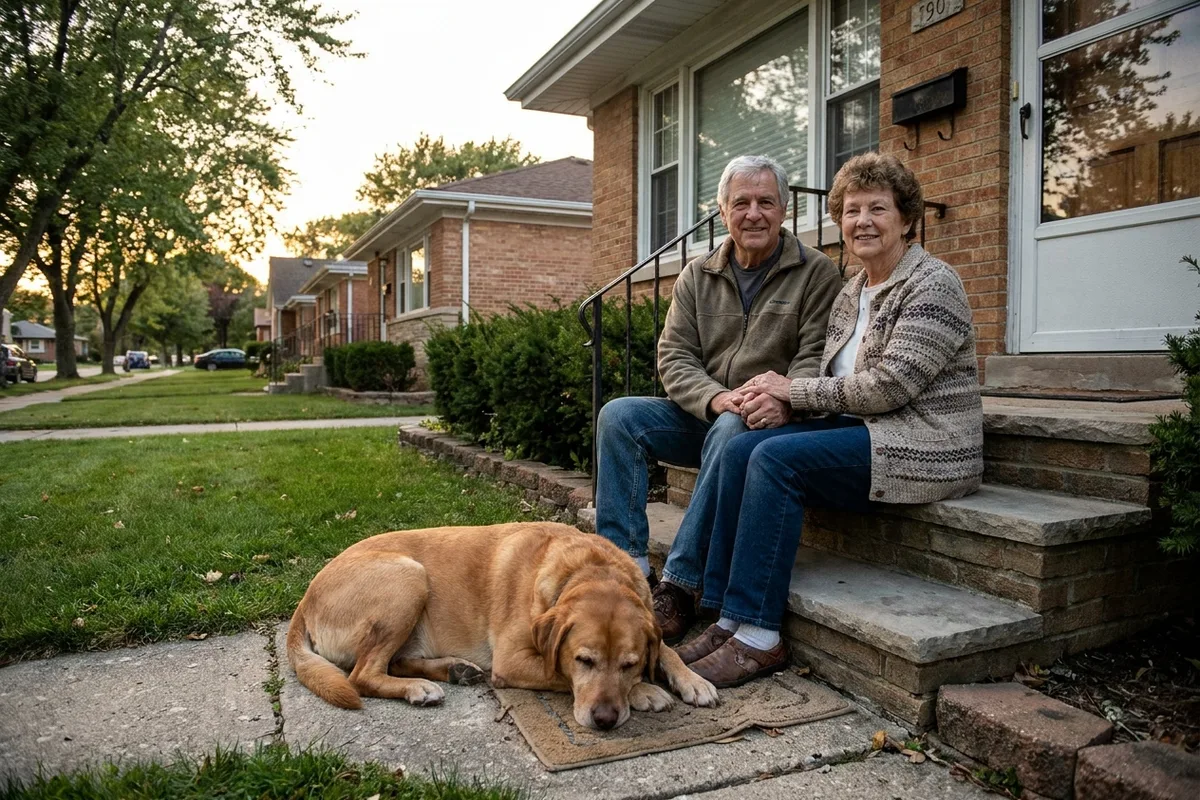
The Texas Department of Insurance lists what personal liability coverage pays someone the policyholder is legally responsible for injuring: medical bills, lost wages and other costs, plus property damage. In a bite case that usually means:
- medical care, from the emergency visit and stitches to rabies shots and follow-up treatment;
- pay you lost while you were off work;
- property the dog damaged, such as torn clothing or broken glasses;
- pain and mental anguish, past and future.
That last category is the hardest to put a number on. In Marshall v. Ranne, the Texas Supreme Court sent the case back for review of whether the damages were too low, because the jury had awarded nothing for past or future pain and mental anguish or lost earnings. Our guide to how pain and suffering is calculated walks through the usual methods.
Your state's rule can shrink the recovery. In Florida, if your damages are $40,000 and a jury finds you 25% at fault for the bite (say, for reaching over a fence to pet the dog), §767.04 cuts the owner's liability by 25%, to $30,000. New York's dangerous-dog statute makes the owner strictly liable for medical costs only; lost pay and pain and suffering there need the knowledge rule or a negligence claim.
When to talk to a lawyer
Talk to a lawyer before you settle if:
- the bite was to a child or to the face, or it needed surgery or left a scar;
- the insurer denies the claim, says the dog is excluded or says there's no policy;
- the owner says you provoked the dog or had no right to be on the property, two defenses written into the statutes above;
- your losses may be larger than the policy limit;
- a police or military dog bit you, since California, for one, limits claims against agencies that use them;
- your filing deadline is getting close.
To compare lawyers who take these cases, find a personal injury lawyer near you. For a rough range before that first call, our Personal Injury Settlement Estimator combines medical bills, lost wages and property damage with an injury severity setting and your share of fault.
Frequently asked questions
Who pays for a dog bite, the owner or their insurance?
The owner is legally responsible, and in Ohio a keeper or harborer can be too. In practice, the owner's homeowners or renters insurance usually pays, since those policies typically cover dog bite liability up to a limit of $100,000 to $300,000, according to the Insurance Information Institute. If the policy excludes the dog, the owner owes the whole amount; if damages exceed the limit, the owner owes the rest.
Can I file a claim if a friend's or relative's dog bit me?
Yes. The claim goes to their homeowners or renters insurer, which pays within the policy limit if the owner is legally responsible. Your friend pays personally only if the claim runs past the limit or the dog isn't covered, though the owner may face a higher premium, a nonrenewal or a dog exclusion later.
Does a "Beware of Dog" sign protect the owner?
In Florida, it can. Section 767.04 says an owner who prominently displayed an easily readable sign including the words "Bad Dog" isn't liable, unless the person bitten was under 6 or the owner's own negligence caused the injury. California's and Ohio's dog-bite statutes have no sign exception.
Is the owner liable if the dog bit me on their property?
Usually, if you had a right to be there. California's and Florida's statutes protect people lawfully on private property, including the owner's, which covers invited guests and people carrying out a legal duty, such as a mail carrier. Ohio's statute bars recovery for someone committing criminal trespass on the property. In Texas, the question is still whether the owner knew of the danger or was careless.
How much is a dog bite claim worth?
It depends on the injury, the treatment, your lost income and your state's rules. For scale, the average homeowners insurance claim for a dog-related injury was $65,450 in 2025, and New York's average was $92,154, according to Triple-I and State Farm. An average says little about one case, which can be worth much more or much less.
How do I find dog bite lawyers near me?
Look for a personal injury lawyer who has handled dog bite claims in the state where the bite happened, because the rules differ so much from state to state. At the first meeting, ask how the fee works, who pays case costs if the claim fails, and whether they've dealt with the owner's insurer before. Bring your photos, medical records and the owner's insurance details.
Sources & references
- Insurance Information Institute: Spotlight on dog bite liability
- CDC: Rabies Prevention and Control
- CDC: Information for Veterinarians (managing an animal that has bitten a person)
- California Civil Code Section 3342: Liability for Dog Bites
- Florida Statutes Section 767.04: Dog Owner's Liability for Damages to Persons Bitten
- Ohio Revised Code Section 955.28: Owner Liable for Damages
- Supreme Court of Texas: Marshall v. Ranne, 511 S.W.2d 255 (1974), Caselaw Access Project
- New York Court of Appeals: Flanders v Goodfellow, 2025 NY Slip Op 02261
- New York Agriculture and Markets Law Section 123: Dangerous Dogs
- Texas Department of Insurance: Home insurance guide
Talk to a Personal Injury attorney near you
This guide is general information, not legal advice. For help with your specific situation, connect with a licensed attorney — many offer a free first consultation.
Find Personal Injury Lawyers Near YouPersonal Injury lawyers by state
Firms our directory lists for personal injury in the states where we have the most.